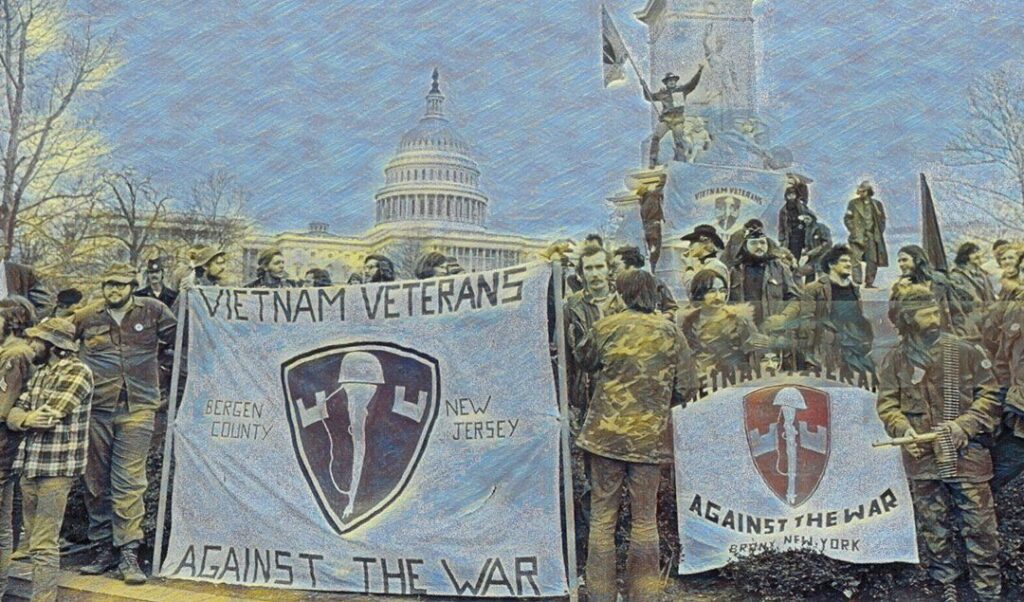
Dewey Canyon III protest by veterans in Washington DC, 1971
With Trump sending active duty military and National Guard into U.S. cities, and the aptly named Department of War striking boats in international waters, the role of the U.S. military should be on everyone’s minds. The veterans who speak to students for We Are Not Your Soldiers are uncovering history and speaking to critical questions, now.
We Are Not Your Soldiers was invited to begin the fall semester with two visits this September. Both presentations were made by Vietnam veterans. The first was on the historic date of September 11 (not only in the U.S. in 2001 but also in 1971 when the U.S. backed the fascist coup in Chile). We visited a class at a public college in Manhattan where Joe Urgo shared his story, including clips from a video of the Winter Soldier hearings which he helped organize. One of the questions from the students then brought the discussion to the present by asking about the characteristics of fascism in the Trump government.
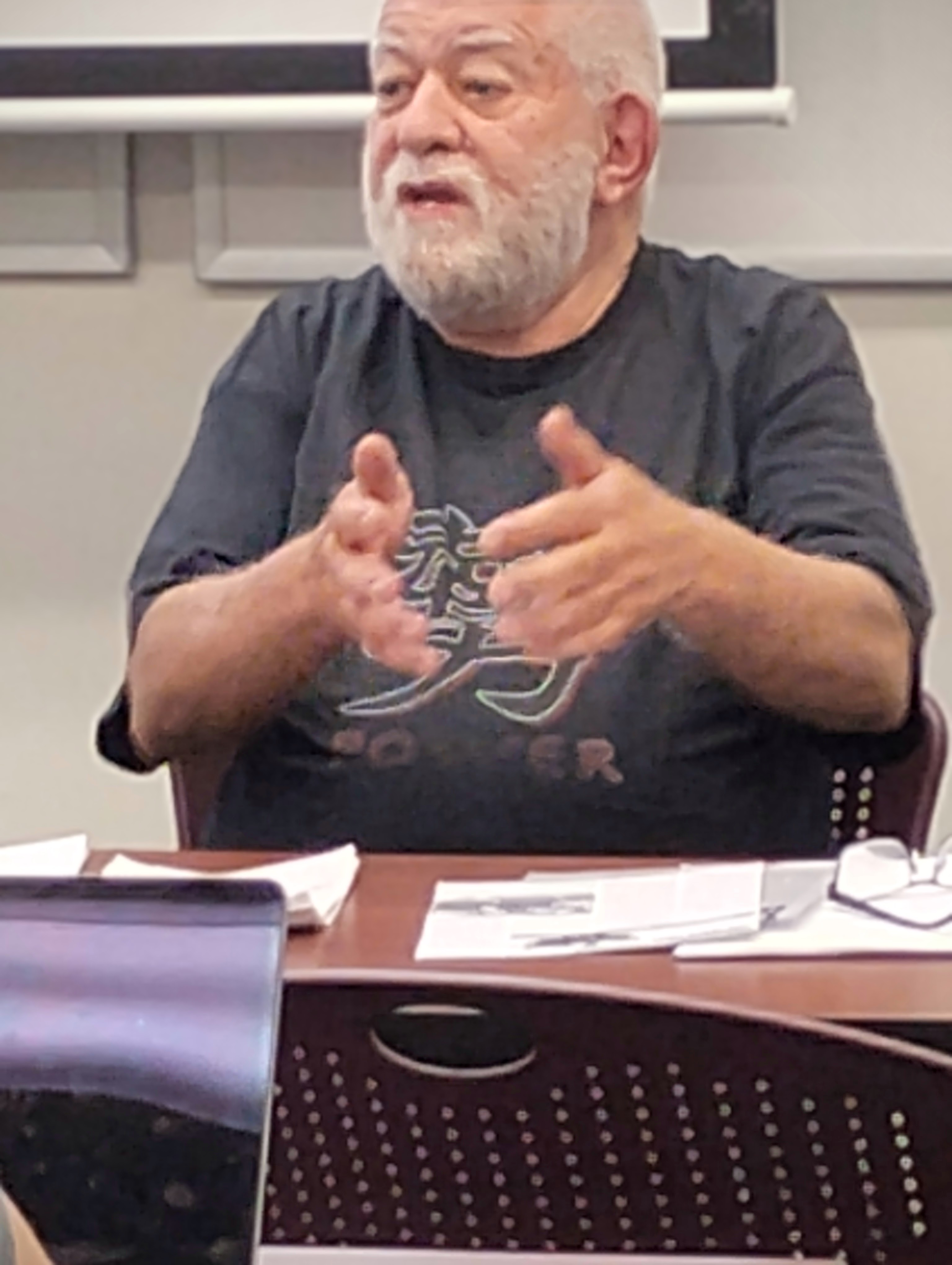
Joe Urgo
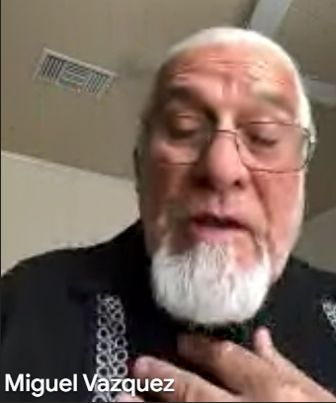
The next day we were off to Oregon to visit, remotely, a high school class reading The Things They Carried. Miguel Gabriel Vazquez was the presenter sharing his story with a well-prepared group of students who asked, among other things, about racism in the military and lingering health effects from exposures during the war. The teachers are preparing a unit including further research into the era and a re-enactment of some of the key events in this country during the war.

Six more visits are already scheduled for November and we received two additional requests today for high schools in Philadelphia and New York City. Eleven veterans, ready to go into classrooms, include Joe and Miguel as well as 9 others who were in the military in the 1990s through the “War on Terror” leaving just a couple of years ago.
Your help is needed to make this all happen! Funds are still necessary for this semester to cover the small stipends to the veterans who take time off from work, childcare and studies as well as for transportation to in-person visits, which we try to do as much as possible. We provide materials and have expenses for the website and social media. Please support this program which brings a much-needed look into ignored or often hidden history, from a first-person perspective — primary sources, and fosters open discussion in the schools.